By the owner of Demboys Marine Detailing · October 16, 2026
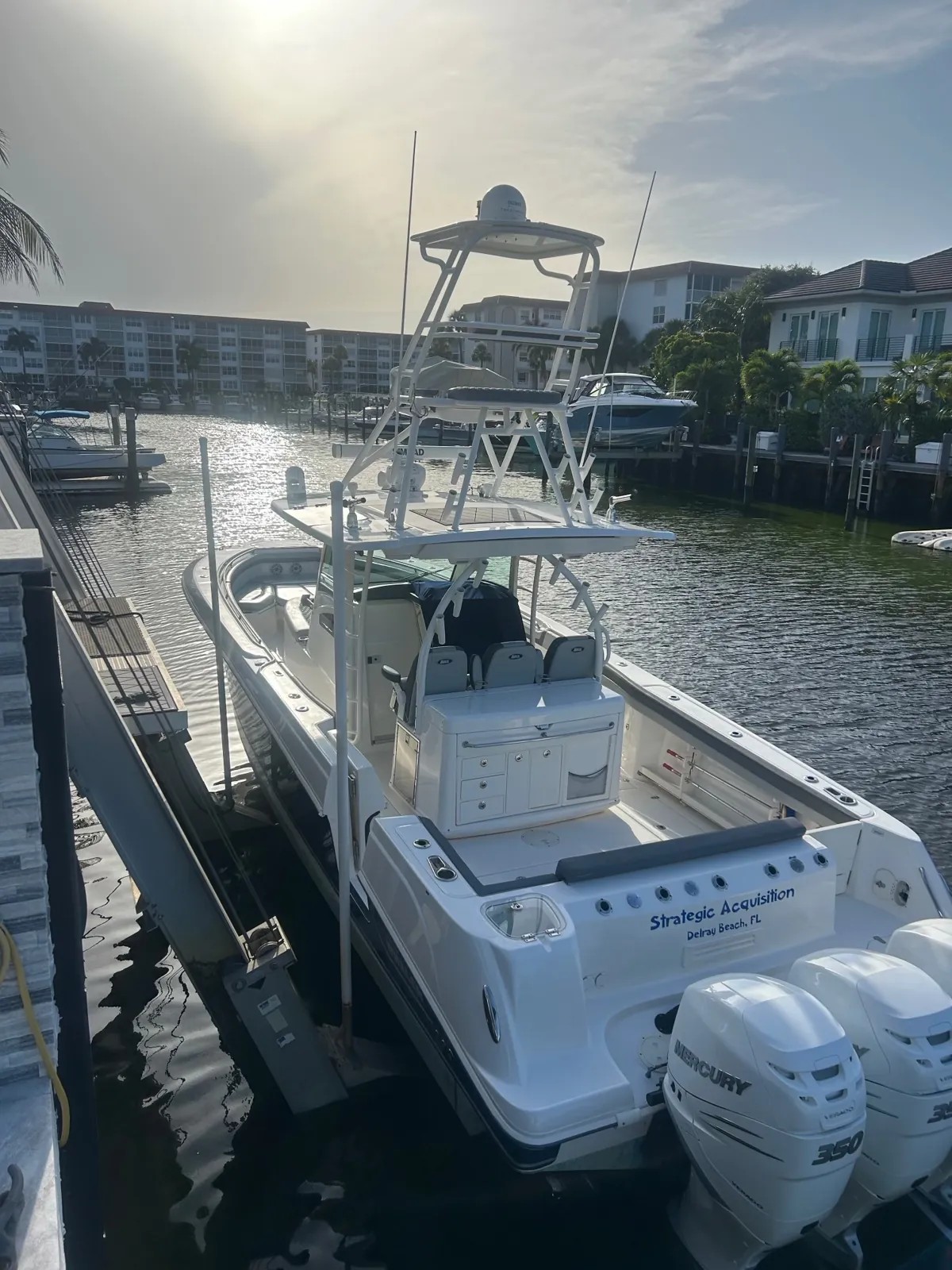
If you own a boat in South Florida, you have probably dealt with black streaks. You get the boat detailed, it looks perfect, then one rainstorm later it is covered in ugly black streaks that seem almost impossible to clean. We see them on boats from Jupiter to Fort Lauderdale.
What causes black streaks on boats in South Florida?
The black streaks are carbon fallout. When rain comes in from the west, it picks up contaminants in the air and drops them on your boat. Those contaminants then bond to the gelcoat chemically, leaving a trail wherever the water runs off.
When the streaks are left to dry on the boat, they become much harder to remove.
Why regular cleaners make it worse
Boat soap usually will not touch them. That leads a lot of owners to reach for stronger cleaners, degreasers, dish soap, or even products labeled as "black streak removers."
The problem is that most of these products strip the wax. Once the wax is gone you have two issues:
- The unprotected gelcoat starts oxidizing faster.
- The next time carbon falls on the boat, it bonds even more strongly to the bare surface.
You clean the streaks, but you have made the next round worse.
The best way to remove black streaks from a boat
The thing that removes black streaks better than most degreasers does not strip the wax. In fact, it strengthens it, because it is wax.
After a normal boat soap wash, put a small amount of wax on an applicator and rub it on the smooth surfaces that still have streaks. The wax lifts the carbon while replacing and reinforcing the protection at the same time.
The second easiest way: do not let them set
Routine washes help in two ways:
- They keep carbon dust and soot from building up as much.
- They remove the stains before the runoff has time to fully bond to the gelcoat.
The less time the contaminants sit and dry, the easier they are to remove, and the less wax you lose in the process.
Quick summary
| Method | Removes streaks | Strips wax | Best for |
|---|---|---|---|
| Strong cleaners, degreasers, dish soap | Sometimes | Yes | Not recommended |
| Wax on an applicator | Excellent | No (adds protection) | After a regular wash |
| More frequent washes | Good | Minimal | Prevention |
Black streaks are a South Florida problem. West-side rain picking up carbon is common along the coast. The fix is simpler than most people expect: wash regularly, and use wax itself to remove what is left instead of products that strip protection.
If you would rather not chase them yourself, our maintenance plans include the washing and protection that help keep streaks from setting. How often a full wax is due is covered in How Often Should I Wax My Boat?, and the habits that make wax last longer are in How to Not Hire Us: 3 Tips to Extend Your Wax.
FAQ
What causes black streaks on boats in South Florida?
Carbon fallout. When rain comes in from the west, it picks up contaminants in the air and drops them on your boat. They bond to the gelcoat chemically and leave a trail wherever the water runs off.
How do you remove black streaks from a boat?
After a normal boat soap wash, put a small amount of wax on an applicator and rub it on the smooth surfaces that still have streaks. The wax lifts the carbon while replacing and reinforcing the protection at the same time.
Can I use dish soap or a degreaser to remove black streaks?
It is not recommended. Most of these products strip the wax, so the gelcoat oxidizes faster, and the next carbon fallout bonds even more strongly to the bare surface.
How do I keep black streaks from coming back?
Wash the boat regularly. Routine washes keep carbon dust and soot from building up and remove the stains before the runoff fully bonds to the gelcoat. The less time the contaminants sit and dry, the easier they are to remove.
More from the blog
- What Does Gelcoat Restoration Cost in South Florida?
- How to Not Hire Us: 3 Tips to Extend Your Wax
- When Is Compound Needed?
- How Often Should I Wax My Boat?